How to plan a trip to Japan: visa, layovers, budget and route
Leer en español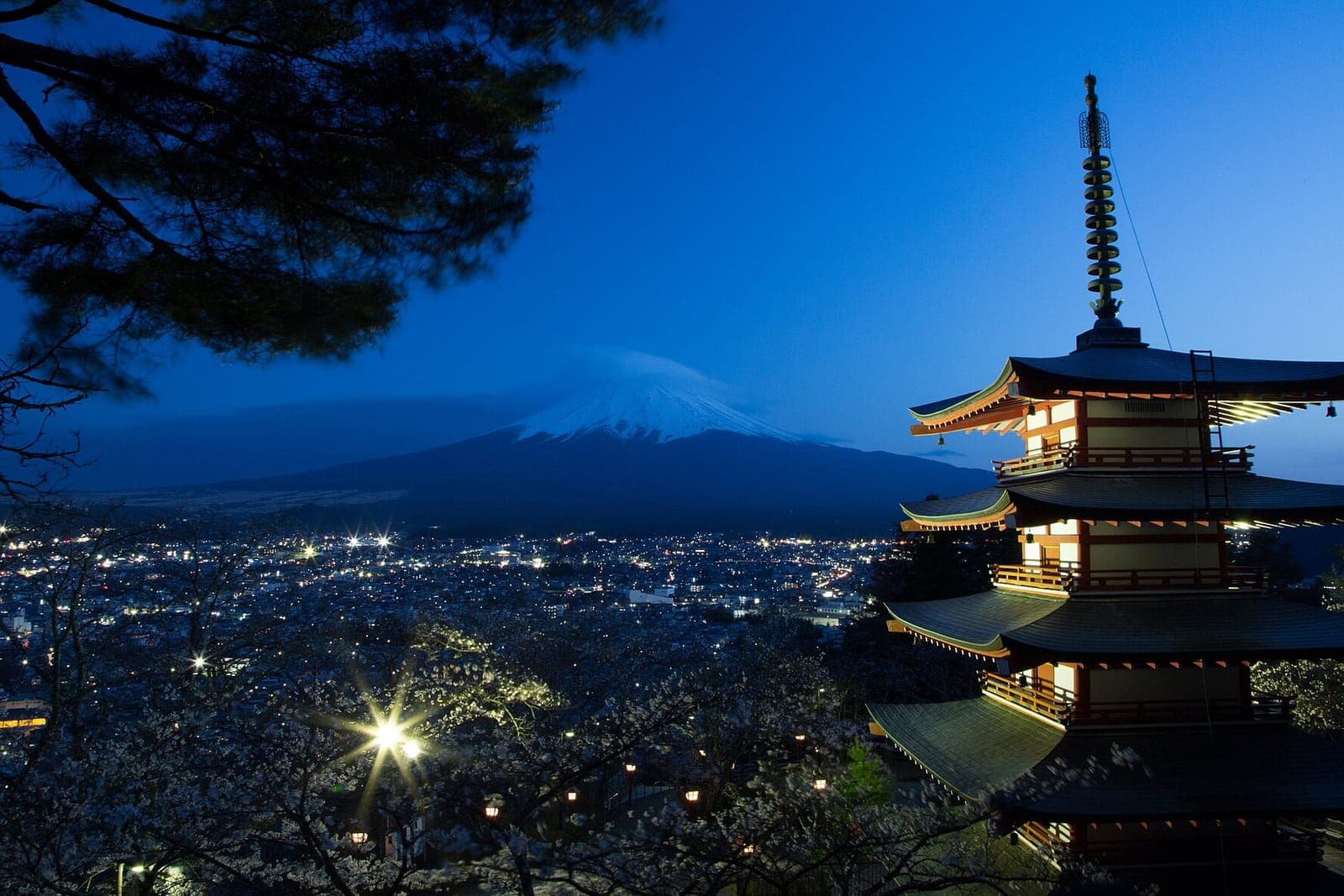
My mom has always dreamed of visiting Japan. When we started planning that trip, we ran into the same questions almost everyone has: does she need a visa? What's the best way to fly? When should we go? How much do we need to save? This guide collects what we learned while planning it. TripBudget was born from those questions.
1. The visa: check it first
Whether you need a visa for Japan depends entirely on your passport. Many nationalities, including the United States, the United Kingdom, the European Union, Mexico, Brazil, Argentina and Chile, can enter visa-free for short stays (Passport Index data as of January 2025). Others, including Colombia and Peru, need a tourist visa from a Japanese embassy or consulate.
2. Getting there: watch your layovers
Depending on where you fly from, you may need a connection. Check the transit rules of your layover country before you book: some countries, like the United States, require a visa even just to change planes for certain nationalities.
3. When to go
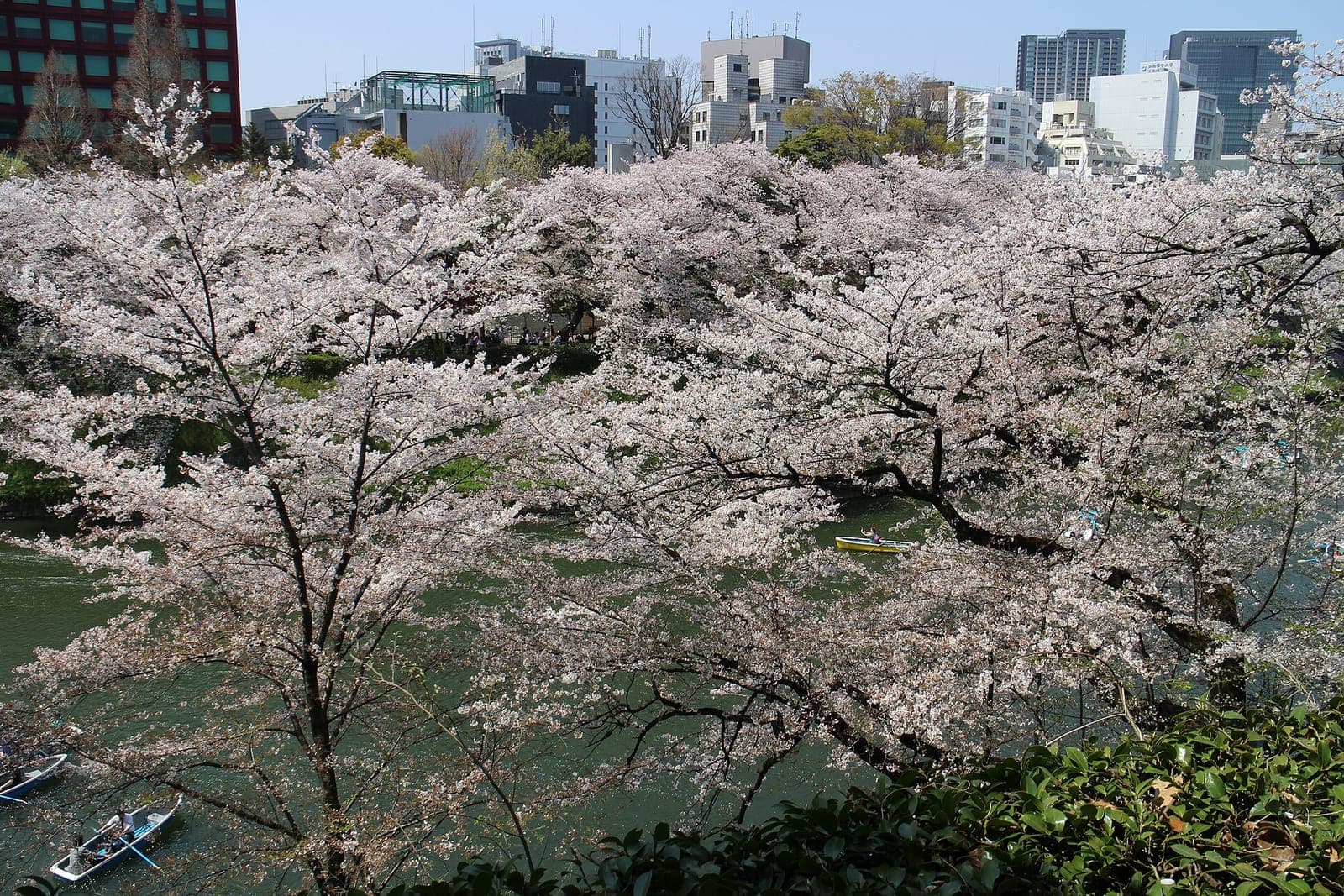
- Spring (late March and April): cherry blossom season. Beautiful, but the busiest and most expensive time: book well ahead.
- Autumn (especially November): red leaves and pleasant weather make it one of the best times to go.
- Summer (June to August): hot and humid, with a rainy season in early summer. Great for festivals and fireworks.
- Winter (December to February): cold and dry in Tokyo and Kyoto, with snow up north. Usually quieter.
4. A classic 10 to 14-day route
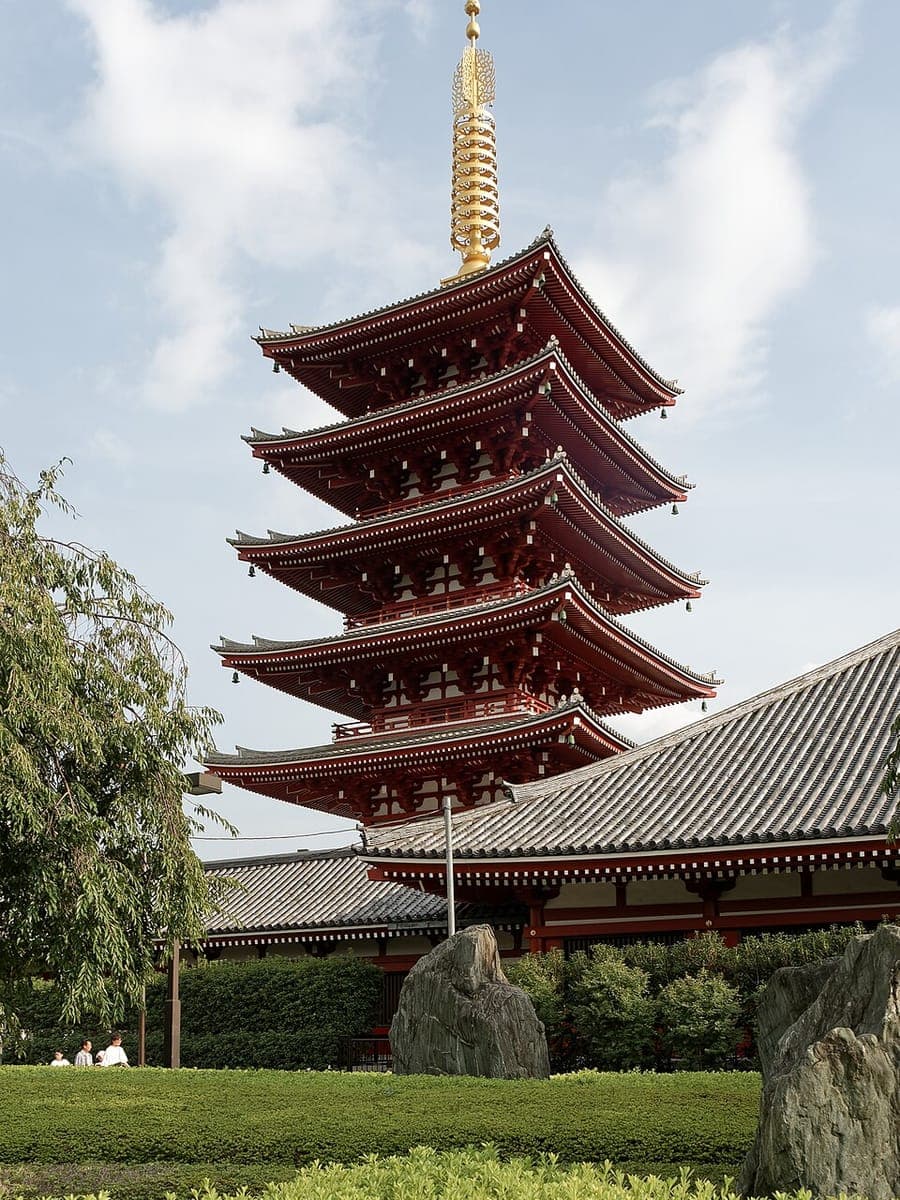
- Tokyo (4–5 days): Asakusa and Sensō-ji Temple, Shibuya, Harajuku and Meiji Shrine, and nightlife districts like Shinjuku.
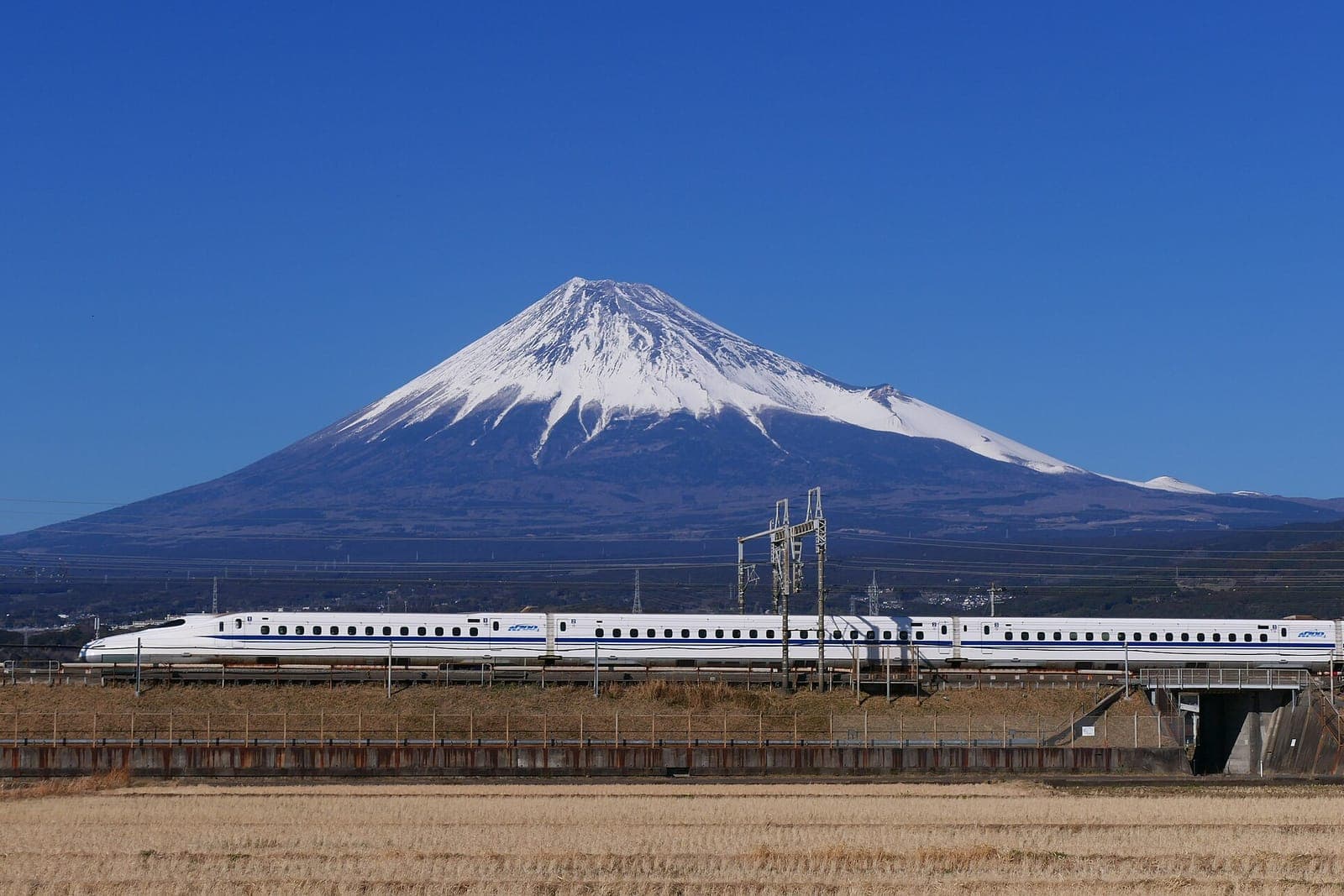
- Hakone or the Mount Fuji area (1–2 days): hot springs and, with a clear sky, a view of Fuji.
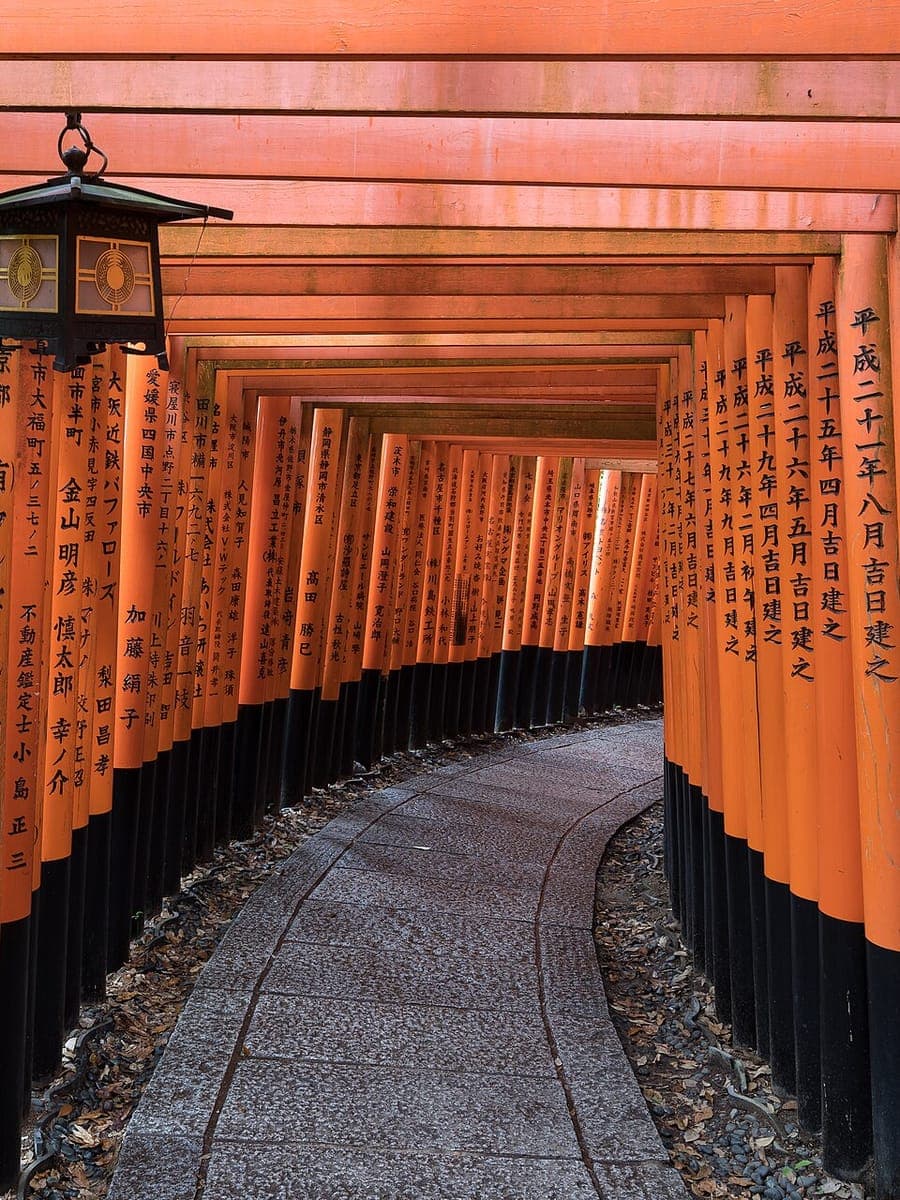
- Kyoto (3 days): temples, shrines like Fushimi Inari, and the Gion district.
- Nara (day trip from Kyoto or Osaka): the Great Buddha of Tōdai-ji and the park's deer.
- Osaka (2 days): Japan's street-food capital, with Dōtonbori.
5. Building your budget
For long-haul travelers the flight is usually the biggest cost, so look at it first and across several dates. Then come accommodation and getting around.
- Accommodation: besides regular hotels, there are capsule hotels and small, practical “business hotels”. A ryokan (traditional inn) is worth it for at least one night.
- Transport: the bullet train (shinkansen) is fast but pricey. Compare a rail pass against individual tickets for your route.
- Food: it can be cheaper than you think. Convenience stores (konbini), ramen and lunch set menus are affordable and excellent.
6. Practical tips
- Rechargeable IC cards like Suica or PASMO work on subways and trains, and even in shops.
- Carry some cash: cards are increasingly accepted, but some places still take yen only.
- Plugs: Japan uses type A and B sockets at 100 volts; most phone and laptop chargers work fine.
- Tipping isn't customary, and people keep their voices down on public transport.
- An eSIM or pocket Wi-Fi is a lifesaver for maps and translations. You can buy the eSIM before you leave, for example from Airalo (check that your phone supports eSIM first).
How much would your trip to Japan cost?
Enter your city, dates and budget: we'll show you flights, hotels and the visa requirement for your passport, plus things to do in Tokyo.
See my trip to Tokyo